
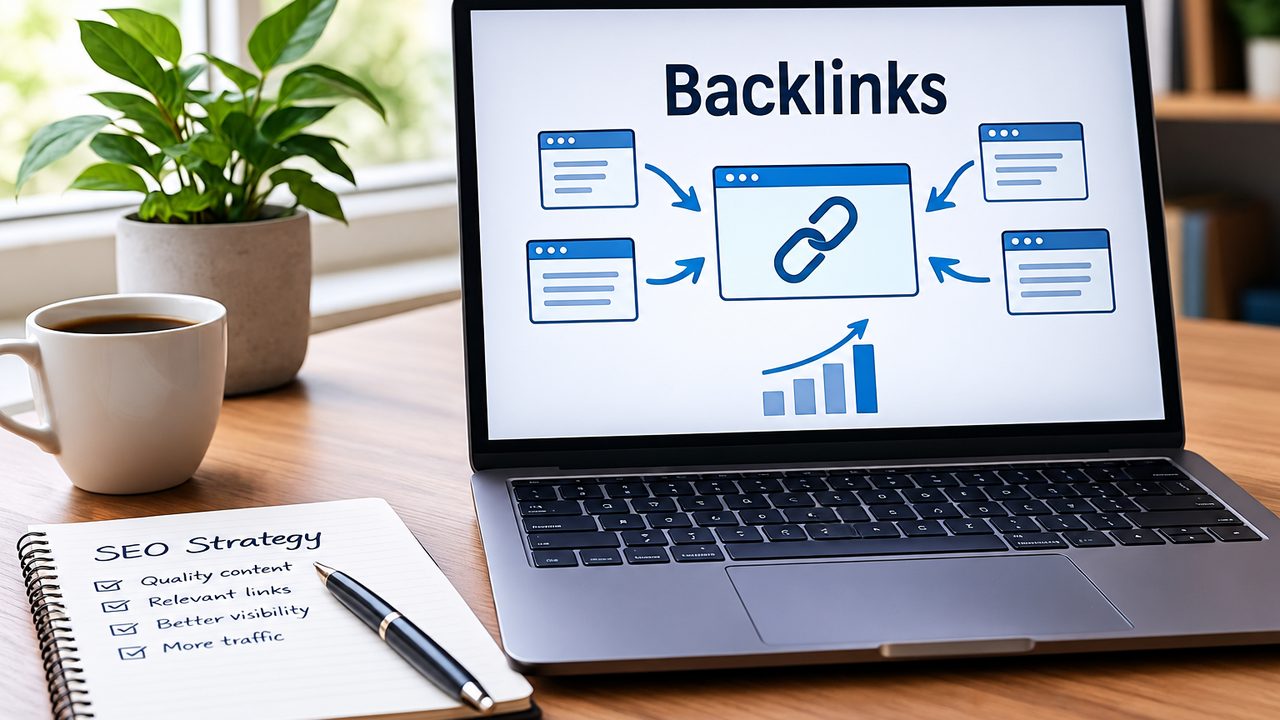
Few things are more frustrating than paying for a backlink, seeing it published, and discovering several months later that the article has disappeared. The money is gone, the link no longer works, and the entire process needs to start again. This is why many website owners prefer to buy permanent backlinks rather than invest in temporary placements that may vanish before they deliver meaningful value.
But how permanent is a permanent backlink? And is a link that remains online for five years necessarily better than one that attracts valuable visitors for six months?
These questions deserve more attention than they usually receive. Backlink longevity matters, but it is only one part of a much larger investment decision.
The Hidden Cost of Disappearing Backlinks
Imagine managing SEO for a small online store.
Over the past year, you've purchased twenty article placements across various websites. Each publication cost between $40 and $150.
Everything initially looks fine. The articles are accessible, and the backlinks appear in your reports.
Then you run another check.
Four articles have disappeared. Two websites are no longer accessible. Another publisher has removed several outbound links.
"Didn't we pay for permanent publications?" you ask.
Unfortunately, the answer depends on what the original agreement actually promised.
Some publishers guarantee publication for a defined period. Others advertise permanent placement without clearly explaining what happens if the website closes or changes ownership.
The result can be unnecessary costs, administrative work, and uncertainty.
When you buy permanent backlinks, understanding the publication conditions is just as important as selecting the website itself.
What Does a Permanent Backlink Really Mean?
A permanent backlink generally refers to a link published without a predetermined expiration date.
Unlike temporary advertising placements, which may disappear after thirty or ninety days, permanent article publications are usually intended to remain accessible indefinitely.
However, this doesn't mean they are guaranteed to exist forever.
Websites are constantly changing. Publishers update content, restructure categories, merge domains, and occasionally shut down.
Even a reputable publication cannot promise that its website will exist for the next twenty years.
For this reason, businesses should distinguish between three important concepts:
• Permanent placement: The publisher does not plan to remove the article after a specified period.
• Guaranteed duration: The publisher commits to maintaining the publication for a defined period under agreed conditions.
• Replacement policy: The service specifies what happens if an article disappears during the covered period.
These terms may sound similar, but they represent different levels of commitment.
Before purchasing, make sure you understand which one applies.
Why Backlink Longevity Matters for Your Marketing Strategy
A publication that remains accessible for years can continue introducing your website to new readers.
Consider an article explaining how to select equipment for a home workshop.
If the information stays accurate and relevant, people may continue discovering it through search engines, social media, or references from other websites.
A useful link within that article could keep generating referral visits long after the original publication date.
This is one reason businesses looking to buy good backlinks often prefer evergreen content.
Evergreen articles address subjects that remain useful over time.
Examples include:
• Practical buying guides
• Product maintenance instructions
• Beginner tutorials
• Industry terminology explanations
• Comparisons of common solutions
• Answers to frequently asked questions
An article explaining how to maintain woodworking tools may remain relevant for years.
By contrast, an article promoting a short-lived seasonal sale quickly loses its usefulness.
The longer an article remains relevant, the greater its opportunity to attract future readers.
A Permanent Backlink Isn't Automatically a Quality Backlink
Here's where many buyers make an expensive mistake.
They assume that a permanent link must be valuable simply because it remains online.
That isn't necessarily true.
Imagine two publishing opportunities.
The first costs $25 and promises a permanent backlink on a website filled with unrelated promotional articles.
The second costs $120 and offers an informative sponsored article on a specialist publication with an identifiable audience.
Both links may remain accessible for years.
But which publication is more likely to introduce your website to people interested in your products?
The answer depends on audience relevance, editorial quality, and actual readership.
A permanent link on a website nobody visits may provide little marketing value.
When deciding to buy relevant backlinks, consider longevity alongside other characteristics rather than treating it as the deciding factor.
The Problem With Building Backlinks Only for Google Rankings
Many website owners approach backlinks with one objective: improving search positions.
They compare referring domains, analyze competitors, and attempt to close the difference by purchasing links.
However, there is an important distinction between independent editorial backlinks and paid promotional placements.
Google's spam policies prohibit buying links intended to manipulate search rankings. Paid links should use appropriate attributes such as rel="sponsored" or rel="nofollow".
These attributes allow publishers to identify commercial relationships without presenting purchased links as independent editorial endorsements.
Therefore, businesses that buy backlinks for SEO should not assume that permanent sponsored links will automatically increase rankings.
Their legitimate benefits can include referral traffic, brand exposure, and content distribution.
A publication that reaches the right audience can justify its cost even without producing a measurable ranking improvement.
How to Choose Websites for Long-Term Publications
The best permanent backlink opportunities aren't necessarily those with the highest SEO metrics.
Before placing an order, evaluate the publishing website from several angles.
Start with its content.
Does the website publish informative articles that readers might find useful in the future?
Next, examine its editorial consistency.
A specialist website that regularly covers a particular industry may provide a more relevant environment than a general blog publishing unrelated promotional content.
Then review available performance metrics.
Domain Rating, Domain Authority, estimated organic traffic, and referring domains can help compare potential publishers.
However, these are third-party measurements, not official Google ranking factors.
Finally, investigate the publication terms.
Ask whether articles have a fixed expiration date and what happens if the publisher removes content unexpectedly.
A responsible purchasing decision considers all these factors together.
Should You Buy Permanent Backlinks in Bulk?
Large backlink packages can look attractive.
Buying fifty or one hundred placements at once may reduce administrative work and sometimes lower the average publication cost.
But bulk purchasing also increases the importance of publisher selection.
Imagine purchasing 100 permanent links without reviewing the websites individually.
If many placements appear on irrelevant or low-quality publications, you may end up with a large collection of links that provide little genuine value.
A smaller, carefully planned campaign can be easier to manage and evaluate.
Businesses exploring how to buy backlinks online should consider starting with a manageable number of relevant publications.
Afterward, they can examine referral traffic, article availability, and audience engagement before expanding the campaign.
This approach makes spending more accountable.
Don't Forget About the Article Itself
A permanent backlink can only remain useful if the surrounding content continues to make sense.
Suppose you publish an article discussing practical ways to reduce electricity consumption at home.
The article includes explanations of insulation, efficient appliances, and heating habits.
Its subject may remain relevant for years.
Now imagine publishing an article built entirely around a temporary promotion that ended last month.
Even if the link remains accessible, the content may no longer attract meaningful attention.
This is why article quality deserves as much consideration as link longevity.
Write for readers first.
Use examples, explain problems clearly, and provide information that doesn't become outdated immediately.
A useful reference should support the article rather than appear as an unrelated advertisement.
How Much Should Permanent Backlinks Cost?
There is no standard market price for permanent article placements.
Costs depend on the publisher, target audience, editorial requirements, content creation, and expected publication duration.
A small niche website may offer affordable placements.
An established industry publication may charge significantly more.
Neither price automatically indicates better value.
Before making a decision, calculate what the publication could realistically contribute to your marketing goals.
If an article costs $150 and generates relevant visitors for several years, the investment may be reasonable.
If a $20 publication attracts no readers, even its low price may be difficult to justify.
When considering whether to purchase backlinks, remember that the cheapest option isn't always the most economical.
What Happens When a Permanent Backlink Disappears?
Even carefully selected publications can occasionally become unavailable.
A website may experience technical problems, remove an article, or change its URL structure.
When this happens, the first step is identifying the cause.
A temporary server error is different from a permanently deleted page.
If the publisher changed the article URL, a redirect may preserve access.
If the content was removed, check whether the original agreement includes a replacement or restoration policy.
Keep records of publication URLs, order details, and agreed conditions.
These records make it easier to resolve problems later.
For businesses managing many publications, periodic link monitoring can prevent missing articles from going unnoticed.
How to Measure the Long-Term Value of Your Backlinks
A permanent publication should be evaluated over time rather than only on the day it goes live.
Monitor whether the article remains accessible and continues attracting relevant visitors.
Useful indicators include:
• Publication availability over time
• Referral traffic from the article
• Engagement on the destination page
• Customer inquiries and conversions
• Brand mentions associated with the publication
• The continued accuracy and usefulness of the content
Organic visibility can also be tracked, but ranking changes should not automatically be attributed to purchased links.
Consider a fictional example.
A sponsored article costs $100 and generates 25 referral visits during its first month.
Over the following year, it attracts another 180 visitors, including several potential customers.
That extended exposure may provide more value than a temporary advertisement that disappears after a few weeks.
However, every publication performs differently, and long-term traffic is never guaranteed.
Frequently Asked Questions About Permanent Backlinks
Can I really buy permanent backlinks?
Yes. Some publishers offer article placements without a scheduled expiration date. However, permanent publication doesn't guarantee that a website will remain operational forever.
Are permanent backlinks better for SEO?
Longevity alone does not determine SEO value. Relevance, editorial context, and whether a link is independently earned or sponsored are important considerations.
How can I check whether my backlinks are still active?
You can periodically review publication URLs, use backlink monitoring tools, or maintain a record of purchased placements and check their availability.
Is it safe to buy permanent backlinks?
Paying for sponsored publications is legitimate when applicable disclosure requirements and search engine policies are respected. Buying links to manipulate search rankings violates Google's spam policies.
Should I buy permanent backlinks for a new website?
Long-term sponsored publications can help a new website reach relevant audiences. They should complement useful content, technical SEO, and genuine editorial link earning.
Do permanent backlinks guarantee higher Google rankings?
No. Even a long-lasting backlink cannot guarantee improved rankings. Paid promotional links should be appropriately qualified and are not intended to pass ranking credit.
Final Thoughts on Investing in Permanent Backlinks
The decision to buy permanent backlinks should be about more than keeping a hyperlink online.
A valuable publication needs relevant content, a suitable audience, clear placement conditions, and a reasonable opportunity to remain useful.
As an experienced website owner might put it:
"I don't mind paying more for an article that people will still want to read next year. What I don't want is a cheap link that exists only in a report."
That captures the difference between buying links and making thoughtful publishing investments.
Choose websites carefully, understand the publication terms, and create articles that deserve long-term attention.
A permanent backlink is only worth keeping if the publication itself is worth reading.